
Special customs procedures
Customs warehousing, temporary admission, inward and outward processing
Customs warehousing, temporary admission, inward and outward processing and end-use are special procedures under the Union Customs Code: goods are stored, used or processed with relief from import duty. As your direct representative we file the declarations and keep track of the time limits.
At a glance
What each procedure is for
Under the Union Customs Code the special procedures are transit, storage, specific use and processing; transit has a page of its own. Non-Union goods have not yet been released for free circulation, the step that puts goods on the EU market; Union goods are made in the EU or already released.
Storage
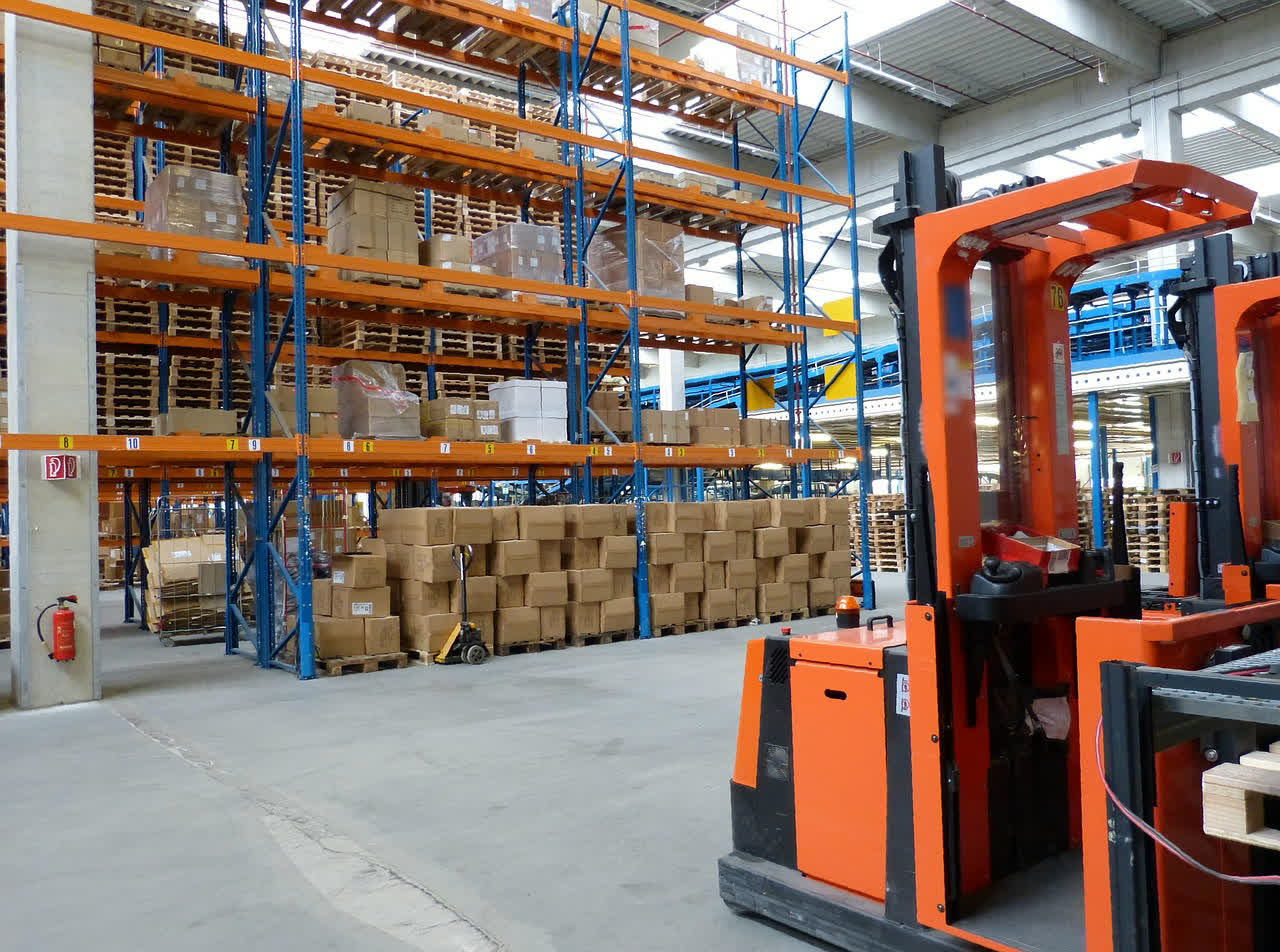
Customs warehousing
Non-Union goods are kept in a customs warehouse until you decide what happens to them next.
- The goods
- non-Union
- Duty and VAT
- not paid while the goods are in the warehouse
Specific use
Temporary admission
Non-Union goods are used in the EU for a given purpose and then leave again.
- The goods
- non-Union
- Duty
- total or partial relief
Processing
Inward processing
Non-Union goods are worked, assembled or repaired in the EU.
- The goods
- non-Union
- Duty and VAT
- not paid while the goods are under the procedure
Processing
Outward processing
Union goods are processed or repaired outside the EU and come back.
- The goods
- Union goods
- Duty
- on return, as a rule on the cost of the processing
Specific use
End-use
Goods meant for a given use are released for free circulation with duty relief.
- The goods
- non-Union when imported
- Duty
- zero or reduced
All procedures
What customs require
The conditions are set by the Union Customs Code (opens in a new tab). We file the declarations as your direct representative and watch when the procedure's time limit runs out.
- Authorisation
- from customs, as a rule for a person established in the EU; for a customs warehouse, its operator holds it
- Guarantee
- for the duty and other charges that may arise
- Records
- kept in a form approved by customs
- Discharge
- another procedure, exit from the EU, destruction or abandonment to the State
Customs warehousing
When a customs warehouse helps
Warehouses are public, for anyone's goods, or private, for the goods of the authorisation holder. As a rule there is no time limit; for goods that could endanger health or the environment, customs may set one.
Selling in parts
The goods stay in the warehouse and are released for free circulation in parts as you sell them. Duty and VAT are paid on each part as it leaves.
Not sure where it goes yet
From the warehouse the goods can be released for free circulation, leave the EU again or move to another procedure, such as inward processing or end-use, as the European Commission (opens in a new tab) explains.
Usual forms of handling
In the warehouse the goods may undergo usual forms of handling, to preserve them, improve their appearance or prepare them for sale.
What we clear
On arrival, the goods are in temporary storage until we file the declaration for the procedure. Then we clear each part that leaves the warehouse for import, export or re-export.
Temporary admission
Goods that come for a given purpose
Non-Union goods are brought in for the purpose the procedure allows and then leave under a re-export declaration or are placed under another procedure.
The conditions
The goods must not be changed, apart from normal wear and tear, and must be identifiable when they are re-exported. As a rule the holder of the procedure is established outside the EU, and the time limit is up to 24 months for the same purpose and holder, under the Union Customs Code (opens in a new tab).

Relief from duty
With total relief no duty is paid. With partial relief, 3% of the duty is paid for each month or part of a month under the procedure, as the European Commission (opens in a new tab) states.
Closing the procedure
Before the time limit runs out, we file the re-export declaration or one for another procedure. If the goods stay in the EU, they are released for free circulation with duty and VAT paid.
When it is used
EU legislation provides for temporary admission for many goods and purposes; these are the most common.
- Goods for exhibitions, trade fairs and other public events
- Professional equipment of a specialist from outside the EU
- Commercial samples shown to customers and sent back
- Containers, pallets and means of transport that come in and leave again

Inward processing
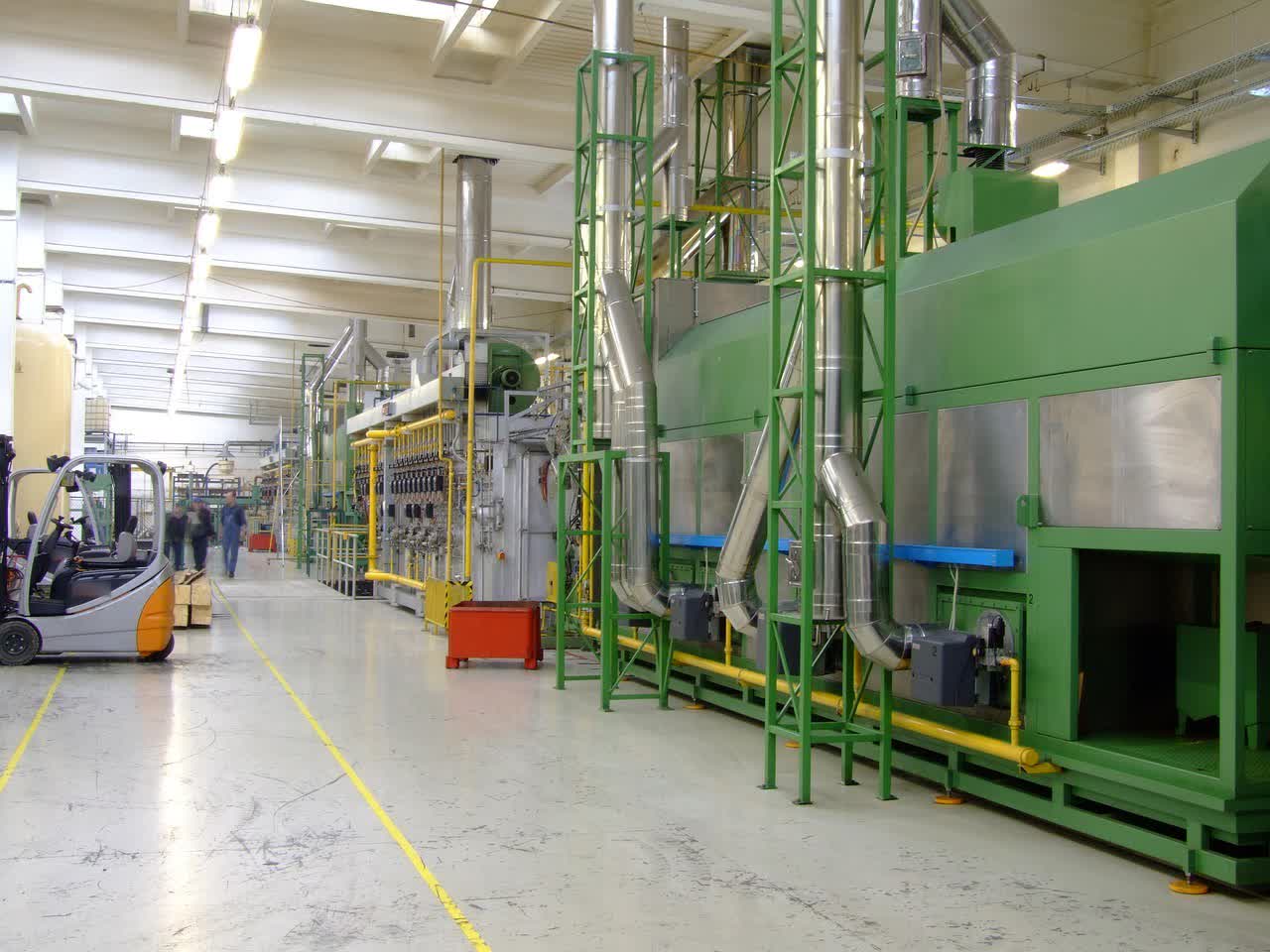
Processing, assembly and repair in the EU
Under the Union Customs Code the former processing under customs control is part of this procedure.
Authorisation
The authorisation must not harm the essential interests of EU producers. As a rule they are taken to be unaffected unless there is evidence to the contrary.
Entry
We file the declaration placing the goods under the procedure. Commercial policy measures do not apply.
Processing
Working, processing, assembly, repair or destruction. The goods must be identifiable in the products, except for repair and destruction.
Discharge
The products are exported, placed under another procedure or released for free circulation with duty paid. The holder gives customs a bill of discharge showing how the goods were used.
Outward processing
Repair and processing outside the EU
Union goods leave the EU for a time to be processed or repaired and come back with total or partial relief from import duty, under the Union Customs Code (opens in a new tab).
Temporary export
Export formalities apply when the goods leave, and the goods must be identifiable when they come back.
Duty on return
As a rule it is worked out only on the cost of the processing outside the EU. For a free repair under warranty or because of a manufacturing defect, the relief is total.
Standard exchange
When defective goods are repaired, a replacement product with the same 8-digit code, commercial quality and technical characteristics can be imported instead.
When it is not allowed
For goods whose export leads to a repayment of duty or to export refunds, and for goods under end-use, except for repair.

Art. 259 UCCoutward processing
End-use
Lower duty for a given use
The goods are released for free circulation duty-free or at a reduced rate because they will be put to a given use, and customs supervise that use.
The relief
It is set out in the tariff under the goods' code and applies only to a given use. We check it when we classify the goods.
Examples
The European Commission (opens in a new tab) gives as examples goods for shipbuilding, for civil aircraft and for drilling platforms.
Supervision
The goods stay under customs supervision until they are put to the intended use, exported or destroyed, or until the normal duty is paid. For goods that can be used repeatedly, supervision may continue for up to 2 years after their first use, under the Union Customs Code (opens in a new tab).
Documents
What to send us
Most documents are the same for every procedure; what each one needs in addition is under "By procedure".
For the authorisation
- A description of the goods and their tariff code
- What will be done with the goods, and where
- The quantities and the period the procedure is needed for
- The time by which the procedure will be discharged
For each shipment
- Invoice and packing list
- The transport document: bill of lading, CMR or rail consignment note
- The authorisation number
- When and where the goods arrive or leave
By procedure
- Customs warehousing: which warehouse and who operates it
- Temporary admission: an ATA or CPD carnet, if the goods travel under one
- Inward processing: how many products the goods yield
- Outward processing: serial numbers, markings or photos of the goods
- Outward processing: the invoice for the processing or repair and, for a warranty repair, the warranty card
- End-use: when and how the goods were used
With your first shipment: a notarised power of attorney for direct representation and your company's EORI number.
Questions
Questions about special procedures
If you cannot find the answer, write to us or call.
Which procedure suits my goods?
It depends on whether the goods are non-Union or Union goods, what will be done with them and whether they will stay in the EU. Describe the goods and your plans, and we will tell you which procedure fits and what customs will ask for.
Is a guarantee needed?
Usually yes, for the duty and other charges that would arise. For a customs warehouse, the guarantee is given by its operator. In some cases the legislation does not require one; we will check your case.
Where are the goods kept?
In a partner’s customs warehouse authorised by customs. Tell us what the goods are and we will tell you on what terms they can be stored. Storage at the port is described under warehousing.
Can the goods move from one procedure to another?
Yes. Goods in a customs warehouse can, for example, move to inward processing or end-use. Each move takes a new declaration, which we file.
What happens if end-use goods are used for something else?
Then the duty at the normal rate becomes due. Once it has been paid, supervision under the procedure ends.

More in this section
Go to Customs representation- Import / Procedure 42
- Export / Re-export
- Transit T1 / T2 / TIR
- CBAM
- EORI registration
- Tariff classification
- Origin of goods
- Special customs procedures
- Customs advice
Special procedure enquiry
Describe the goods, what will be done with them and whether they stay in the EU. We will tell you which procedure is right and what we need from you.
Your enquiry has been sent
We have sent a confirmation to the email address you gave. We will reply within 1 working day with a proposal.
- Phone
- +359 88 666 3000
- Office
- Ferry Complex Varna
9178 Beloslav, Bulgaria
Port terminal Ferry Complex – Varna - Office hours
- Monday – Friday: 09:00 – 19:00
Saturday and Sunday: 09:00 – 19:00 (duty team)
After you send it
- Your enquiry comes straight to our office, and ENS enquiries go to our ENS department.
- We send you a confirmation at the email address you gave.
- We reply with a proposal. If any details are missing, we will ask.