
CBAM
CBAM: the Carbon Border Adjustment Mechanism
Since 1 January 2026, importing cement, iron and steel, aluminium, fertilisers, hydrogen and electricity into the EU comes with obligations for the carbon emitted in producing them. We check whether your goods fall under CBAM, tell you what the customs declaration needs and clear the import as your direct representative.
The mechanism
What changes at import
The Carbon Border Adjustment Mechanism (CBAM) was introduced by Regulation (EU) 2023/956 (opens in a new tab). It puts a carbon price on imports of these goods at the level EU producers pay for their own emissions.
The definitive period
From October 2023 to the end of 2025, importers only reported the emissions in their goods. Since 1 January 2026, CBAM applies in full: CBAM certificates are surrendered for the emissions in the goods imported during the year.
Authorised declarant
Customs allows these goods to be imported only by an authorised CBAM declarant, unless the importer is under the 50-tonne threshold. The status is granted by the competent authority of the country where the importer is established; in Bulgaria, by the Executive Environment Agency.
The 50-tonne threshold
An importer whose imports of these goods in a calendar year do not exceed 50 tonnes of net mass in total is exempt and states this in the customs declaration. Above that, the obligations cover all imports of the year. The threshold does not apply to hydrogen and electricity.
When it applies
CBAM applies at release for free circulation, after which the goods can be sold in the EU. Goods in transit or under a special customs procedure, such as customs warehousing, are covered only once they are released for free circulation. Goods originating in Iceland, Liechtenstein, Norway and Switzerland are not covered.

The goods
The sectors and their CN codes
CBAM covers the goods listed in Annex I to the regulation by their Combined Nomenclature (CN) codes, the nomenclature used to classify goods in the customs declaration.
Chapter 25
Cement
Cement clinker, Portland cement and other hydraulic cements, and some kaolinic clays.
- CN codes
- 2523, ex 2507 00 80
- 50-tonne threshold
- applies
Chapters 26, 72, 73
Iron and steel
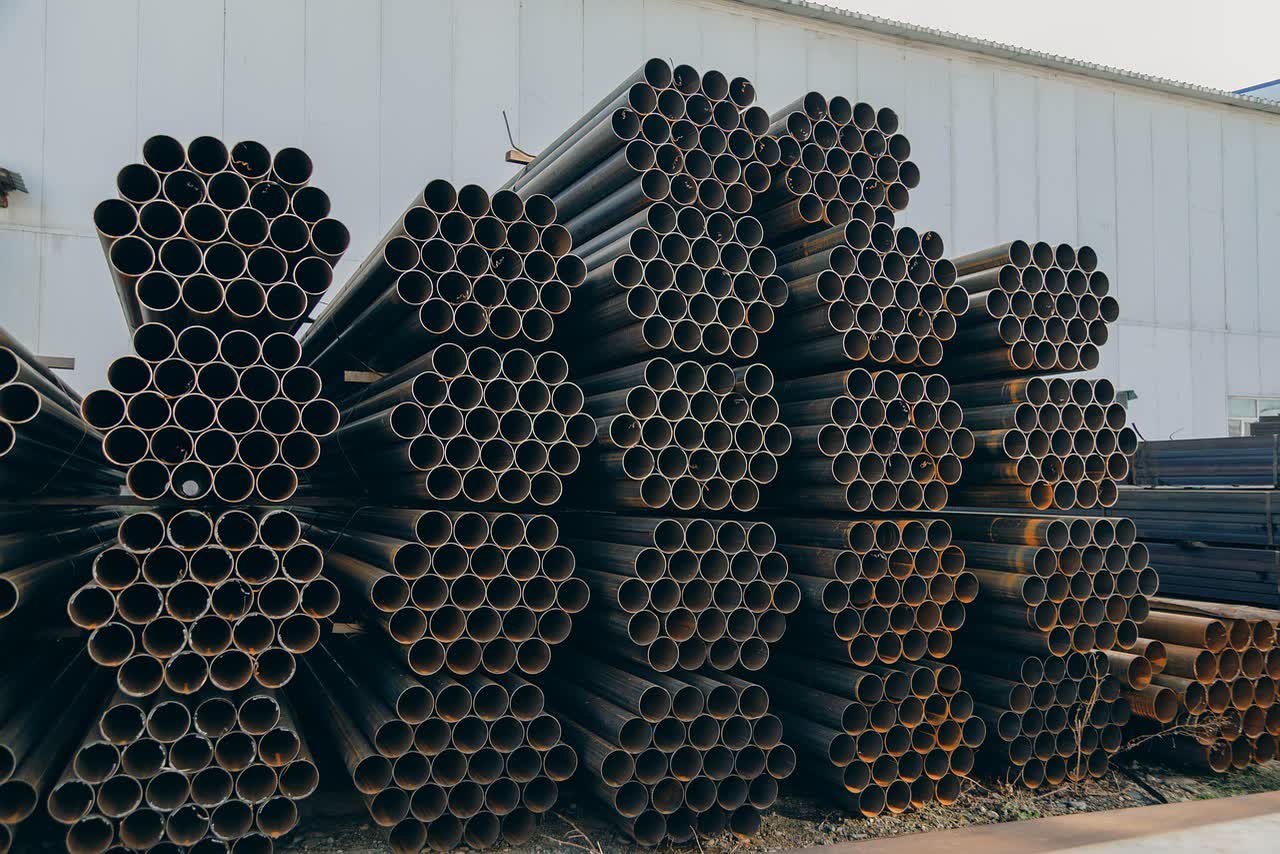
Iron and steel in Chapter 72, except certain ferro-alloys and waste and scrap, plus agglomerated iron ores and articles such as tubes and pipes, structures, containers, screws and bolts.
- CN codes
- 72, 2601 12 00, 7301–7311, 7318, 7326
- 50-tonne threshold
- applies
Chapter 76
Aluminium
Unwrought aluminium, powders, bars and profiles, wire, plates and foil, tubes, structures, containers and other articles of aluminium.
- CN codes
- 7601, 7603–7614, 7616
- 50-tonne threshold
- applies
Chapters 28, 31
Fertilisers
Nitric acid, ammonia, potassium nitrates, nitrogenous fertilisers and most compound fertilisers.
- CN codes
- 2808 00 00, 2814, 2834 21 00, 3102, 3105 except 3105 60 00
- 50-tonne threshold
- applies
Chapter 28
Hydrogen
An importer of hydrogen must be an authorised declarant whatever the quantity.
- CN code
- 2804 10 00
- 50-tonne threshold
- does not apply
Chapter 27
Electricity
An importer of electricity must also be an authorised declarant whatever the quantity.
- CN code
- 2716 00 00
- 50-tonne threshold
- does not apply
The exact codes and exceptions are in Annex I to the regulation (opens in a new tab); “ex” before a code means only part of the goods under it is covered. If you are not sure of your goods’ code, see Tariff classification or write to us.
The obligations
What the authorised declarant does
The CBAM obligations lie with the importer. They can be taken on by an indirect customs representative, who lodges the customs declaration in its own name but on the importer’s behalf. The details are on the European Commission’s page (opens in a new tab).
The authorisation
The application for authorised declarant status is made electronically in the CBAM registry. One of the conditions is that the importer has an EORI number.
By 30 September
The annual declaration
By 30 September each year, the CBAM declaration for the previous year is submitted in the CBAM registry: the quantities of goods imported and the emissions embedded in them. The first one, for 2026, is due in 2027.
From 1 February 2027
The certificates
CBAM certificates are surrendered for the emissions. They go on sale on 1 February 2027, and their price is calculated from the auction price of EU emission allowances.
The emissions
Emissions are declared from the producer’s data, verified by an accredited verifier, or from the default values published by the European Commission.
What we do
The customs declaration for CBAM goods
As your direct representative we lodge the customs declaration in your name and on your behalf. In that case the importer remains the CBAM declarant.
The goods code
We check whether the goods’ CN code is in Annex I to the regulation and whether they fall under CBAM.
Status or threshold
We tell you what the declaration must contain: your CBAM account number if you are an authorised declarant, or the statement that your imports are under the 50-tonne threshold.
The declaration
We lodge the customs declaration for release for free circulation at the customs offices in Varna.
Data for the annual declaration
We send you the customs declarations, which give the quantities, codes and countries of origin for your annual CBAM declaration.

Questions
Questions about CBAM
If you cannot find the answer, write to us or call.
Related service
Tariff classification
The tariff code determines the duty, the EU measures and the taxes that apply to goods on import and export. We classify the goods in the Combined Nomenclature, the EU system of goods codes, and check the rate and the measures for their code in TARIC, the EU database of measures.
How do I know whether my goods fall under CBAM?
By their CN code. If the code is in Annex I to the regulation, the goods are covered. Send us a description of the goods and the code if you have it, and we will check.
Who is the CBAM declarant when a representative clears the import?
Under direct representation, which is what we offer, the importer remains the CBAM declarant. An indirect customs representative takes on the obligations if it agrees and holds authorised declarant status. An importer established outside the EU must appoint an indirect representative who is an authorised declarant.
What happens if we import more than 50 tonnes in the year?
The obligations then cover all imports in that calendar year, not only the quantity above the threshold. If you expect to exceed the threshold, apply for authorised declarant status.
Does CBAM cover goods in transit through Bulgaria?
Not while they are in transit. CBAM applies only once the goods are released for free circulation in the EU.
Do you submit the annual CBAM declaration for us?
The annual declaration is submitted in the CBAM registry by the authorised declarant, who remains responsible for it even when someone else helps to prepare it. We lodge the customs declarations at import, send you their data and help you with your other CBAM obligations.
Enquiry about importing CBAM goods
Describe the goods and give their CN code if you know it, the country of origin and the quantity. We will tell you whether they fall under CBAM and what we need for the declaration.
Your enquiry has been sent
We have sent a confirmation to the email address you gave. We will reply within 1 working day with a proposal.
- Phone
- +359 88 666 3000
- Office
- Ferry Complex Varna
9178 Beloslav, Bulgaria
Port terminal Ferry Complex – Varna - Office hours
- Monday – Friday: 09:00 – 19:00
Saturday and Sunday: 09:00 – 19:00 (duty team)
After you send it
- Your enquiry comes straight to our office, and ENS enquiries go to our ENS department.
- We send you a confirmation at the email address you gave.
- We reply with a proposal. If any details are missing, we will ask.